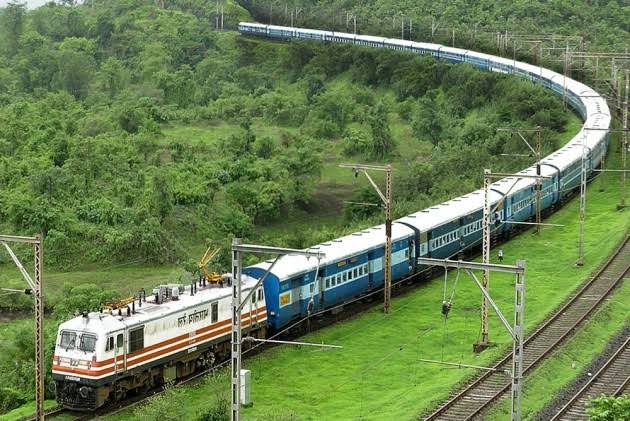
Indian railways which is the fourth largest rail network of the world, is for the first time in its history, inviting private players, for running and operating passenger trains in the country.
Indian government has identified 109 routes on which 151 private trains will be run. It will need an investment of 30000 crores from the private players. 50 Railway stations will also be privatized.
If we talk about the rail network in the country than this 68400 km long network could not change with the changing times and it can still be characterized by slow moving trains and old technology. While all other modes of transport like roads, air, sea made substantial improvement, railways could never free itself from government control, and different political parties instead of modernizing railways , milked it for their political motives.
Result is an struggling rail network , with its passenger segment making losses to the tune of thousands of crores. So now amid this corona pandemic when government is in severe financial crunch ,its decision to run 151 private trains seems a good step for the future.
Govt. believes that through private participation it would be able to bring in the latest technology and amenities for its passengers, and it would also help railways take a generation leap. This will give the passengers a better travelling experience and will also solve the wait list ticket problem on various routes.
These trains will also be manufactured in India, so it will generate some employment.
Right from Purchasing the trains, to running and maintaining them all will be done by the private parties,they will have the freedom to decide on which stops they want to stop their train and for how much duration.
Indian railways will only provide them with a train driver and guard. Some guidelines have been developed for these private trains like maximum speed would be 160 km/hr, maximum no. of coaches would be 16, and they will be given these trains for the period of 35 years.
In return they will pay Indian railways some fixed expenses for using their infrastructure and also share a part of their revenue with the government.
Indian government has run two private trains in the past, one on Delhi – Lucknow route and other on Mumbai – Ahmedabad route, named them Tejas Express.
But the fact remains that they are being operated by IRCTC,which is a subsidiary of Indian Railways, so they can,t be called as private trains technically
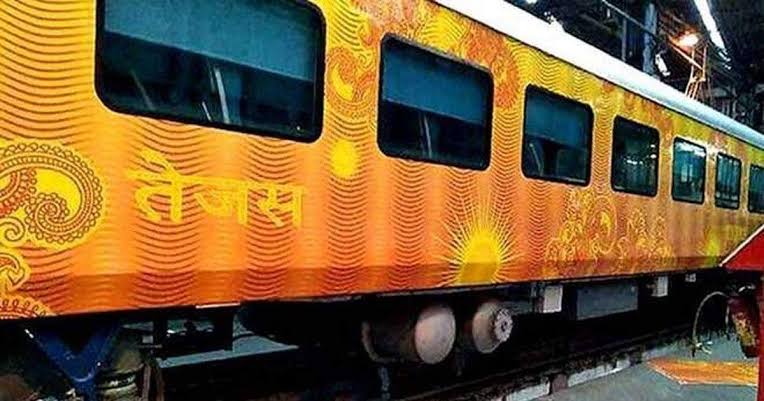
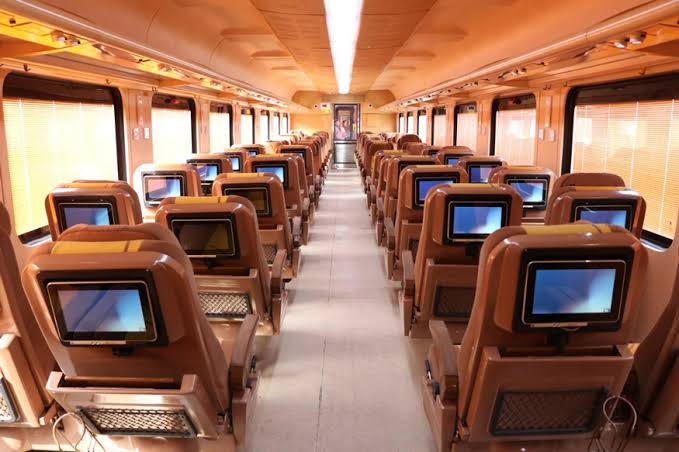
Government officials being fully satisfied with the results obtained from these two trains have decided to proceed a step further now and 151 trains would be run by private operators now.
If we talk about Railway stations than Habibganj railway station of Bhopal has been developed as the first Private railway station.
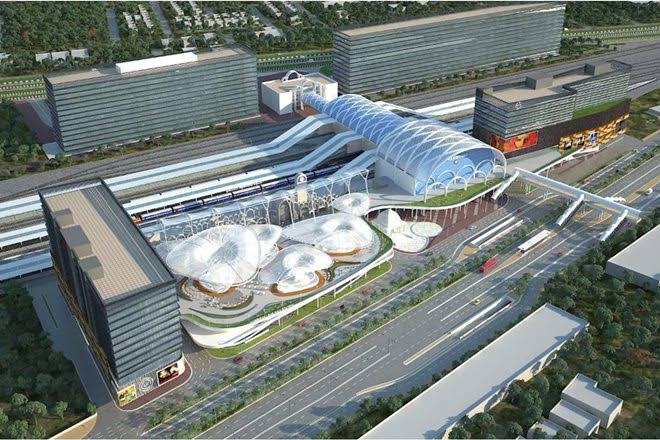
Enthused by its success government will now privatize 50 railway stations and develop them on the model of a airport with all modern facilities.
India today has 13452 passenger trains and more than 8000 railway stations, so if we compare the figures of planned private trains and stations(151 and 50 respectively), it appears a very small fraction of the total, but its importance cant be undermined because this small step will provide the government with the necessary experience,so that they are better prepared to plan and proceed further for the betterment of Indian railways.
Today when our government has taken a decision and we are still a little far from it being implemented than lot of experts are pointing towards a no. of problems awaiting us.
First of all when the private trains and public trains will run on the same route their are bound to be disputes among them as they will be competing against each other. So to solve such disputes an independent regulator would be required and so far nothing is clear on it.
Secondly their is not much room for the private players to increase fares as even today airfares on many routes are cheaper than the first class train ticket on the same. So to ensure profitability in the times of cheap airfares is going to be a challenge.
Private players would expect preferential treatment for clearances, passing etc as keeping with their planned arrival and departure timings would be very important for them if they want to attract passengers and create a good will. This again could be a cause of friction between private and public trains.
Many railway unions are opposing this step of the government and it may create further problems for the private operators.
Beside all this some experts believe that infrastructure on some busy routes is already overloaded and cant support more private trains, some say privatization will push railways out of common men’s reach.
So to summarize, successful implementation of this step by government is faced with a lot of challenges and whether or not the government is successful in doing so, this only the time will tell, but for now at least the government is trying to break the norm for the betterment of the railways and is not trying to use it for politics. It needs to be appreciated for the same.
Bhaskar Sankhla
You can also visit my youtube channel Positive Synergy, where i am making educational videos in Hindi.
Disclaimer – views expressed are author,s own.
 Bhaskar sankhla